痛みに関する書籍を読了する
(
某日。
終日在宅の日。

エントリー「書籍を読了し読み始め痛みについての書籍を購入し料理を作る」 で言及した、
Monty Lyman, The Painful Truth: The new science of why we hurt and how we can heal (Transworld Digital, 2021)

という痛みについて最新の科学的知見を記した書籍を読了する。痛み特に慢性疼痛 chronic pain (著者はchronicよりもpersistentという語を好むようだ。最初に記してある) は、生物あるいは生理学的・心的・社会的なアプローチを総合的に用いて取り扱われるべきだというのが基本線。
以下備忘録。
「痛みの本性:痛みは発見器ではなく、保護器である」(xv) 「痛みは、私たちの身体を守ろうと促す恐ろしい感情である。...痛みは傷害の尺度ではない" (xvi)」
“pain’s true nature: pain is a protector, not a detector” (xv) “pain is a horrible feeling that urges us to protect our body. … Pain is not a measure of injury” (xvi)
「痛みは、脊髄に送られる危険信号の門番によって決定されるわけでもない。言い換えれば、痛みは脳によって感知されるのではなく、脳によって作られるのである。そして、痛みが存在するためには、私たちの自覚した認識が必要なのです」(p.12)。
“Pain isn’t even decided by the gatekeeping of danger signals allowed through to the spinal cord: pain is created entirely by the brain. In other words, pain is not detected by the brain: it is made by it. And for pain to exist, it requires our conscious awareness” (p. 12).
「画像研究によれば、痛みを感じているとき、さまざまな部位が「点灯」する。 興味深いことに、活性化される領域は、人間であることを意味するあらゆる側面を表している。感覚的なもの(脳にどのような危険信号が(もしあれば)伝わり、それがどこから来るのかを感知する)、感情的なもの(不安やストレスに関係する領域など)、認知的なもの(私たちの思考、記憶、信念、期待など)である。(p. 12). 」
“Imaging studies show that when someone is in pain, a number of different areas ‘light up’. Fascinatingly, the areas activated represent all aspects of what it means to be human: the sensory (detecting what kind of danger signals – if any – are travelling to the brain and where they are coming from), the emotional (such as areas involved with anxiety and stress) and the cognitive (our thoughts, memories, beliefs and expectations).” (p. 12).
「私たちが最も正しいと見なしている痛みの理論:痛みの生体-心理-社会モデル。(p. 12).」
“our most accepted pain theory: the bio-psycho-social model of pain.” (p. 12).
「痛みとは、脳が下す決断であり、その大部分は意識的なコントロールの外にある。(p. 14).」
“Pain is a decision made by the brain – the vast majority of which is outside our conscious control – to tell our conscious mind that we are in danger.” (p. 14).
「痛みとは、身体が危険にさらされているという無意識の脳の判断を意識的に翻訳したものである。インド系アメリカ人の著名な神経科学者であるV.S.ラマチャンドランは、次のように言っている。『痛みとは、傷害に対する単なる反射的反応というよりも、むしろ生体の健康状態に対する意見である。(p. 15).』」
“Pain is a conscious translation of our unconscious brain’s decision that the body is in danger. V. S. Ramachandran, the eminent Indian–American neuroscientist, puts it well: ‘Pain is an opinion on the organism’s state of health rather than a mere reflective response to injury.’” (p. 15).
「痛みはダメージや危険を示すものではなく、私たちの身体がダメージを受けているか、危険にさらされているかどうかについての、脳の無意識的な意見なのだ。(p. 16).」
“it [pain] is not a measure of damage or danger but is instead the brain’s unconscious opinion on whether our body is damaged or at risk.” (p. 16).
「「痛みは覚えている」「痛みが続くほとんどの場合、私たちの脳は時間をかけて過保護になり、ダメージがなくなっても痛みを作り出すようになっている。そして、脳がそうすればするほど、元の組織の損傷が治った後でも、痛みを「学習」するようになる。持続する痛みのほとんどの場合、痛みは症状であることをやめ、病気となる。重要なのは、これによって痛みが苦痛でなくなり、現実のものになるということだ。しかし、この痛みを伴う真実を知ることは極めて重要であり、希望に満ちている。(p. 20)」
“Pain remembers” “In most cases of persistent pain, our brain has – over time – become overprotective, creating pain even when the damage has gone…. And the more the brain does this, the better it gets at ‘learning’ pain, even long after the original tissue damage has healed. In most cases of persistent pain, pain stops being the symptom and becomes the disease. Importantly, this makes the pain no less agonizing, and no less real. But our knowledge of this painful truth is vital – and full of hope.” (p. 20)
「過保護は、慢性的で持続的な痛みの根本原因であることが多い。慢性疼痛に対する最も効果的で、エビデンスに基づいた治療法とは、脳に安全のエビデンスを与え、脅威のエビデンスを減らすことである。(21-22頁)」
“overprotection is often the root cause of chronic, persistent pain. The most effective, evidence-based treatments for chronic pain are ones that provide our brain with evidence of safety and reduce the evidence of threat.” (pp. 21-22)
「痛みを不快さを伴わずに感じる容態を指すpain asymbolia (p.40)。そのような人は痛みの本質へと我々を導く。痛みは単なる感覚ではなく、単なる感情でもなく、感覚、感情、思考が見事に融合したものである。(p. 41)」
“pain asymbolia” (p. 40) “Asymbolics take us to the heart of the nature of pain: it is not just a sensation, nor just an emotion, but a remarkable blend of senses, emotions and thoughts.” (p. 41)
「 他人が身体に触れられているのを見て、自分の身体が触れられていると感じる「ミラータッチ共感覚」という稀な症状を、ハーバード大学で訓練を受けた神経科医Joel Salinasは持っている。」
“Joel Salinas, a Harvard-trained neurologist who has a rare condition called mirror-touch synaesthesia.” (p. 117)
「ミラータッチ共感覚は、視覚と触覚を組み合わせたものである。道で赤ちゃんの頭をなでたり、見知らぬ二人組が抱き合ったりするのを見れば、自分もそのソフトで心地よい感触を浴びることができる。しかし、誰かの腕に針が刺さっているのを見れば、短時間ではあるが、生々しく突き刺さるような痛みを感じる。(p. 118)」
“Joel’s mirror-touch synaesthesia combines his senses of vision and touch. If he sees a baby’s head being patted in the street or a pair of strangers embracing, he can bathe in the soft, comforting touches himself. But if he sees a needle piercing the skin of someone’s arm, he feels that brief but raw, penetrating pain.” (p. 118)
Joel Salinasは Mirror Touch (Harperone, 2017)

「ミラータッチの共感覚は人口の約2パーセントに見られる可能性がある。」
“Mirror-touch synaesthesia may be present in around 2 per cent of the population.” (p. 121)
Note for this on p. 255. Banissy, M. J., Kadosh, R. C., Maus, G. W., Walsh, V. and Ward, J., ‘Prevalence, characteristics and a neurocognitive model of mirror-touch synaesthesia’, Experimental Brain Research, 198(2–3), 2009, pp.261–72
「「過剰に警戒された免疫システムが痛みを増大させる。(173-174頁)。」
“an over-alert immune system increases pain.” (pp. 173-174).
「免疫と言えば抗体とT細胞だ。しかし、免疫系にはもっと単純で原始的な要素があり、それが感染や傷害を記憶し、痛みを悪化させることがある。パターン認識受容体(PRR)とは、免疫細胞(免疫反応の初期活性化を担う)に存在するタンパク質受容体のことで、ほとんどの病原体に共通する一般的な分子(病原体関連分子パターン、PAMPsとして知られる)や、身体組織が損傷を受けたときに放出される一般的な分子(損傷関連分子パターン、DAMPsとして知られる)を認識する。PRRは基本的にバーコードリーダーである。PRRはPAMPパターンやDAMPパターンを検出すると、炎症性分子を放出するよう細胞に指示し、防御反応を引き起こす。体にとって異物となるものを認識するのは得意だが、かなり無差別で、泥棒だけでなく友好的な郵便配達員をも攻撃しようとする番犬のようだ」。(174-175頁)。」
“antibodies and T-cells. But there is a simpler, more primitive element of the immune system that can remember infection or injury, and this can worsen pain. Pattern recognition receptors (PRRs) are protein receptors, found on immune cells (responsible for the initial activation of the immune response), that recognize generic molecules common to most pathogens (known as pathogen-associated molecular patterns, or PAMPs) and generic molecules released when body tissue is damaged (known as damage-associated molecular patterns, or DAMPs). PRRs are essentially barcode readers. When they detect PAMP or DAMP patterns, they instruct their cells to release inflammatory molecules, which brings about a protective response: increasing pain and recruiting immune cells to the scene. They’re good at recognizing anything that is foreign to the body but they’re pretty indiscriminate, like a guard dog that tries to attack a friendly postman as well as a thief.” (pp. 174-175).
「長期にわたる炎症が免疫系を 「プライミング 」し、新たな反応において放出される炎症の量を増加させることが明らかになりつつある。また、心理的ストレスや恐怖が末梢の免疫反応を亢進させ、痛みに対してより敏感にさせることも、次第に明らかになってきている。心理的ストレスがあるだけで、皮膚や身体の炎症は何日も続くのだ。トラウマ的な記憶を呼び起こしたり、まだ起こるかもしれないことへの不安を感じたりといった単純な思考でさえ、炎症を引き起こす可能性があるというのは驚くべきことである。(p. 175).」
“It is becoming clear that long-term inflammation ‘primes’ the immune system, increasing the amount of inflammation released in any new response. It is also increasingly evident that psychological stress and fear increase our peripheral immune response, making us more sensitive to pain. Psychological stress alone increases inflammation in the skin and body for days,… It is amazing to think that even a simple thought – the retrieval of a traumatic memory or anxiety about things that could yet happen – could create inflammation.” (p. 175).
「慢性炎症はさまざまな要因で悪化する。まず、炎症は時間とともに増加する。慢性的な心理的ストレスや不安も、炎症を引き起こす強力な要因である。このことは、幼少期の不利な出来事と、その後の人生における炎症と慢性疼痛との間に強い関連があることを見ても明らかである。長期的な炎症は、社会的孤立とも強く関連している。炎症と痛みのもう一つの要因は、「メタボリックシンドローム 」として知られる危険因子の群れである」(p.176)」
Chronic inflammation is worsened by a number of things. For starters, it increases with time…. Chronic psychological stress and anxiety are other powerful drivers of inflammation. This is miserably seen in the strong link between adverse events in early life and both inflammation and chronic pain throughout later life. … Long-term inflammation is also strongly associated with social isolation.” “Another contributor to inflammation and pain is the constellation of risk factors known as ‘metabolic syndrome’” (p. 176)
「睡眠… 痛みが悪い睡眠につながるのか、悪い睡眠が痛みを悪化させるのか?答えは両方である。興味深いことに、不眠症の方がこのサイクルの大きな原動力になっている可能性が示唆されている。(p.177)「睡眠時間の軽度の減少でさえ、痛みを悪化させる。重要なことは、睡眠障害は過剰炎症への片道切符でもあるということである。一晩の睡眠不足でさえ、体内で炎症を引き起こす。(p. 178).」
“Sleep” “does pain lead to bad sleep or does bad sleep worsen pain? The short answer is both – it’s bidirectional. Intriguingly, evidence suggests that insomnia could be the greater driver of this cycle; insomnia causes pain more than pain causes insomnia.” (p. 177) “Even mild reductions in sleep worsened pain. Importantly, sleep disturbance is also a one-way ticket to over-inflammation. Even one night of sleep loss causes inflammation in the body.” (p. 178).
「「そもそも、いかにして短期的な痛みから持続的な痛みに至るのか。この問いへの答えは、私たちの変化しやすい脳に関するエキサイティングな新しい科学にある。(p. 180)」
“how we get from short-term to persistent pain in the first place. This lies in the exciting new science of our changeable brain.” (p. 180)
「短期的な痛みと長期的な痛みの架け橋となる重要な概念は、「中枢性感作 」と呼ばれるものです。「中枢性 」とは、簡単に言えば中枢神経系、つまり私たちの脳と脊髄のことです。感作とは、これらの構造が過敏になるプロセスのことである。(p. 182).」
A key concept that bridges short-term and long-term pain is something called ‘central sensitization’,… The word ‘central’ simply refers to the central nervous system: our brain and spinal cord. Sensitization is the process by which these structures become hypersensitive: you end up getting more pain with less provocation.” (p. 182).
「これらの二次(脊髄)神経がより強く、より長く 活性化されればされるほど、同じ刺激に対する 反応は大きくなる。痛みを感じれば感じるほど、また脳が痛みを認識しやすくなればなるほど、その痛みは強く感じられるようになる」(p.183)。」
“– the more intensely or longer these secondary [spinal] nerves are activated, the bigger the response to the same stimulus becomes…. a pain ‘memory’ exists in the spine. The more you feel the pain and the more easily your brain recognizes it, the more intense it feels” (p. 183).
「「しつこい痛みの正体:固定ループにはまった感情と思考のパターン、痛みと過覚醒の悪循環...。中枢性感作とその脳の再配線は複雑で、個々人によって異なるが、概念としては単純である。それは脅威に対する脳の過剰反応である。(p. 184).」
“what persistent pain is: a pattern of feelings and thoughts stuck in a fixed loop, a vicious cycle of pain and hyper-arousal… Central sensitization and its rewiring of the brain is complex and unique for each individual, but it is simple in concept: it is a protective brain’s overreaction to threat.” (p. 184).
「持続的な痛みは、多くの意味で 「学習された 」痛みなのである。(p. 185)」
“Persistent pain is, in many senses, a ‘learned’ pain.” (p. 185)
「「持続的な痛み/慢性疼痛は、現在痛みを感じていなくても、脳のパターンを変化させる。何より心配なのは、持続的な痛みが脳を老化させるという証拠があることだ。...持続的な痛みという概念は、神経可塑性がうまくいかないケースとしての慢性疼痛。 (p. 186)」
“persistent pain changes patterns in the brain even when the individual is not currently experiencing pain. Most worrying of all, there is evidence that persistent pain ages the brain. … the concept of persistent pain as a case of neuroplasticity gone wrong.” (p. 186)
「すべてのケースではないが、「持続的な痛みの大部分(腰痛の90%以上)では、もはや識別可能な組織の損傷はなく、脳が過敏になっているだけなのだ。(p. 187)」
Not EVERY CASE, but “in the majority of cases of persistent pain (and over 90 per cent of cases of back pain), there is no longer any identifiable tissue damage; our brain has become hypersensitive.” (p. 187)
「線維筋痛症の例。線維筋痛症のほとんどの症例における中核的なメカニズムは、脳の痛みの警報システムが過剰に反応する中枢性感作である。これは線維筋痛症が実在することの証明に役立つ、しかし(これは重要な 「しかし」なのだが)、何が感作を引き起こすのかはまだわかっていない。(p. 188)」
Example of fibromyalgia. “a core mechanism in most cases of fibromyalgia is central sensitization, when the brain’s alarm system of pain becomes overactive.9,10 This helps prove that fibromyalgia is real, but – and this is an important ‘but’ – we still don’t know what causes the sensitization.” (p. 188)
著者の意見 「一般的に持続的な痛みにおいてそうである可能性が高いように、私は免疫系に注目している...研究者は線維筋痛症の人々の炎症マーカーを分析し、脳(神経炎症)と体(全身性炎症)に炎症がある証拠を発見した。[別の研究では、健常対照者と比べて、線維筋痛症患者ではミクログリア=脳の免疫細胞=が非常に活性化されていることが示されている。(p. 188)]
Author’s opinion: “As is likely to be the case in persistent pain generally, my money is on the immune system… researchers analysed inflammatory markers in people with fibromyalgia, finding evidence for inflammation in the brain (neuroinflammation) and the body (systemic inflammation). [another study shows] microglia - immune cells of the brain – are highly activated in fibromyalgia patients compared with healthy controls.” (p. 188)
ミクログリアの炎症反応、免疫、精神と身体疾患における役割についての書籍
Donna Jackson Nakazawa, The Angel and the Assassin: The Tiny Brain Cell That Changed the Course of Medicine (Ballantine Books, 2020)

を思い出す。読了済み。この書籍についてはエントリー「『糖尿病の哲学』を読了しミクログリアの本を読み(1)料理を作る」「ミクログリア・免疫・精神疾患・身体疾患 (2)」「ミクログリア・免疫・精神疾患・身体疾患 (3)」「ミクログリア・免疫・精神疾患・身体疾患 (4)」「ミクログリア・免疫・精神疾患・身体疾患 (5)」で記している。
今回読了したMonty Lyman の最新作はThe Immune Mind: The new science of health (Transworld, 2024)

kindle版ページのサブタイトルによると「uncovering the connection between the mind, immune system and microbiome 心、免疫システム、マイクロバイオーム微生物叢のつながりを解明する」とのことだ。数年以上前に出版の類書は数冊読んだことがある。これは2024年で最新に近い知見が記されている可能性が高い。そのうち購入してみようか。kindle版でもそれなりに高い価格なので迷うところだ。数年経てば安くなるのかもしれないがその間に新しい知見が出ているのだろう。
6:00 起床。NY市場終値をチェック。
グラス一杯の水を飲んで柱サボテンとボトルツリーをヴェランダに出す。
シャワー。
大きめのカップに珈琲を淹れる。オーガニック豆 20g、260ml。飲みながら読書。
スロージョギング。腕立て伏せ15回x 10セット。
9:00-9:30 第一食。自炊。マグネシウム (にがり顆粒 2g)、ビタミンB (Dear-Natura Mix)、ビタミンC (L-アスコルビン酸 1.5g)、ビタミンD3 (Health Thru Nutrition 10,000Iu)、亜鉛 (Dear-Natura, 14mg)、ルテイン、ゼアキサンチン、コリンサプリ、タウリンサプリ (1000mg)、ナイアシンアミド (500mg)、イヌリン粉末 6g、グリシン粉末 3gを摂取。
ストレッチ。ホットココア (オーガニック、非アルカリ処理)。
音楽、雑用、読書。
自宅に設置してある絵画、織物、器、立体作品を観て諸感覚を刺激する。
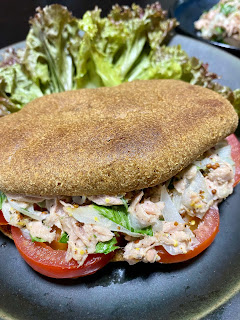
15:30-16:00 第二食。自炊。ビタミンC (L-アスコルビン酸 1.5g程度) を摂取。
休憩。読書。youtube。
オーガニック生姜粉末を溶いた熱い生姜湯を飲む。
マグネシウム (にがり顆粒 2g) を摂取。
Coconut oil pulling、軽くストレッチと腹式呼吸、就寝。
)

コメント
コメントを投稿